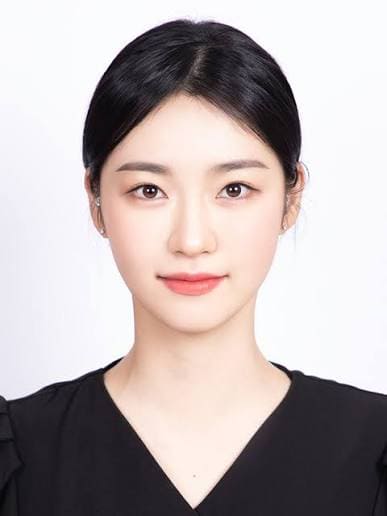
Start with the shape label
Oval, round, square, heart, diamond, and oblong are geometry categories based on width and length ratios in this photo.
Face shape
Upload one clear, front-facing photo to compare forehead, cheek, and jaw widths and classify the visible face outline.
Geometri saja · Tidak ada peringkat daya tarik
Read the face shape guide →Shape label · Width markers · Outline view
Mulai di sini
For the most stable reading, use a front-facing angle, neutral expression, and even lighting.
Menghadap ke depan · Ekspresi netral · Pencahayaan merata
Pribadi · Tidak ada pendaftaran
JPG, PNG atau WebP · Hingga 20 MB
Shape preview
A shape label, width comparisons, and an outline view with forehead, cheek, and jaw markers.
Width signals
Hover or tap a row to highlight the matching marker on your photo.
Shape labels describe visible geometry in one photo. Real faces often sit between categories.
Outline markers
Horizontal width lines compare forehead, cheek, and jaw spans. The contour shows the landmark outline used for classification.
Head turn, hair volume, and camera angle can change how widths appear in a photo.
Oval, round, square, heart, diamond, and oblong are geometry categories based on width and length ratios in this photo.
Forehead, cheek, and jaw widths are measured relative to the widest cheek span so you can see which region drives the classification.
A higher balance score means the measured widths and length ratios align more clearly with one category in this photo.
Stay in geometry tools or compare how a different photo presents the same outline.
FAQ
It compares forehead, cheek, and jaw widths plus overall face length to classify the visible outline into a shape category. The result is a geometry reading, not an attractiveness score.
Labels like oval, round, square, heart, diamond, and oblong describe width and length patterns in your photo. They are useful categories, not fixed identity traits.
That is common. Real faces often blend categories. Use the width markers and balance score to see which outline pattern is strongest in this specific photo.
Pose, head tilt, expression, lighting, and hair framing all change how widths appear. A neutral, front-facing photo gives the most stable reading.
Use a clear, front-facing photo with your face centered, even lighting, and hair pulled back from the forehead and jawline when possible.
No. This page classifies face outline geometry only. Attractiveness pages combine multiple appearance and photo signals with different weights.
Yes. Analysis runs locally in your browser. Your photo is not uploaded for this face shape test.